



1. Is One Layer Enough? Training A Single Transformer Layer Can Match Full-Parameter RL Training
Existing RL training approaches update all model parameters uniformly, assuming that every layer contributes equally to the gains obtained.
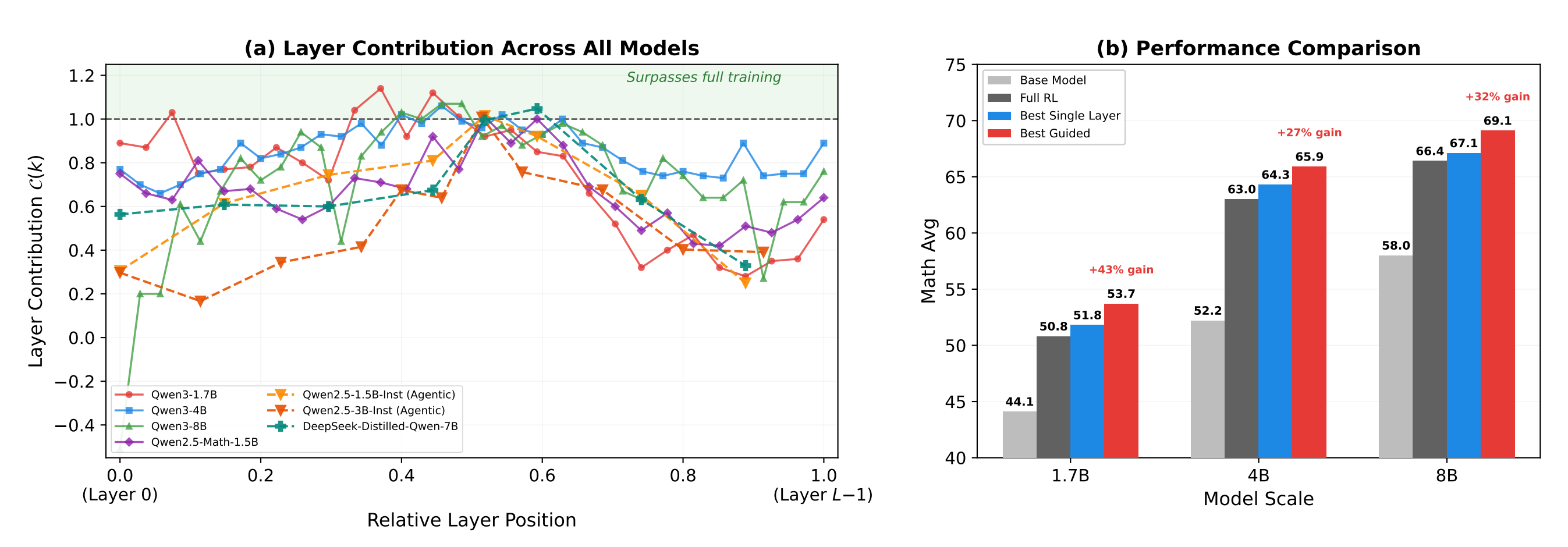
This research paper challenges this idea and finds that training a single transformer layer can recover most of the gains achieved by full-parameter RL training and, in some cases, even surpass them.
Studying seven models across two Qwen families (Qwen2.5 and Qwen3), three RL algorithms (GRPO, GiGPO, Dr. GRPO), and multiple task domains, it is found that RL gains are highly concentrated in a small subset of, and in many cases even a single, transformer layer.
These high-contribution layers are usually in the middle of the transformer stack, while layers near the input and output ends contribute substantially less.
Based on these findings, the researchers develop simple layer-aware training strategies that consistently outperform standard full-parameter RL training.
Read more about the research paper using this link.
Before we move forward, I want to introduce you to the Visual Tech Bundle.
It is a collection of visual guides that explain core AI, LLM, Systems design, and Computer science concepts via image-first lessons.

Others are already loving these books. Why not give them a try?
2. LLM-as-a-Verifier
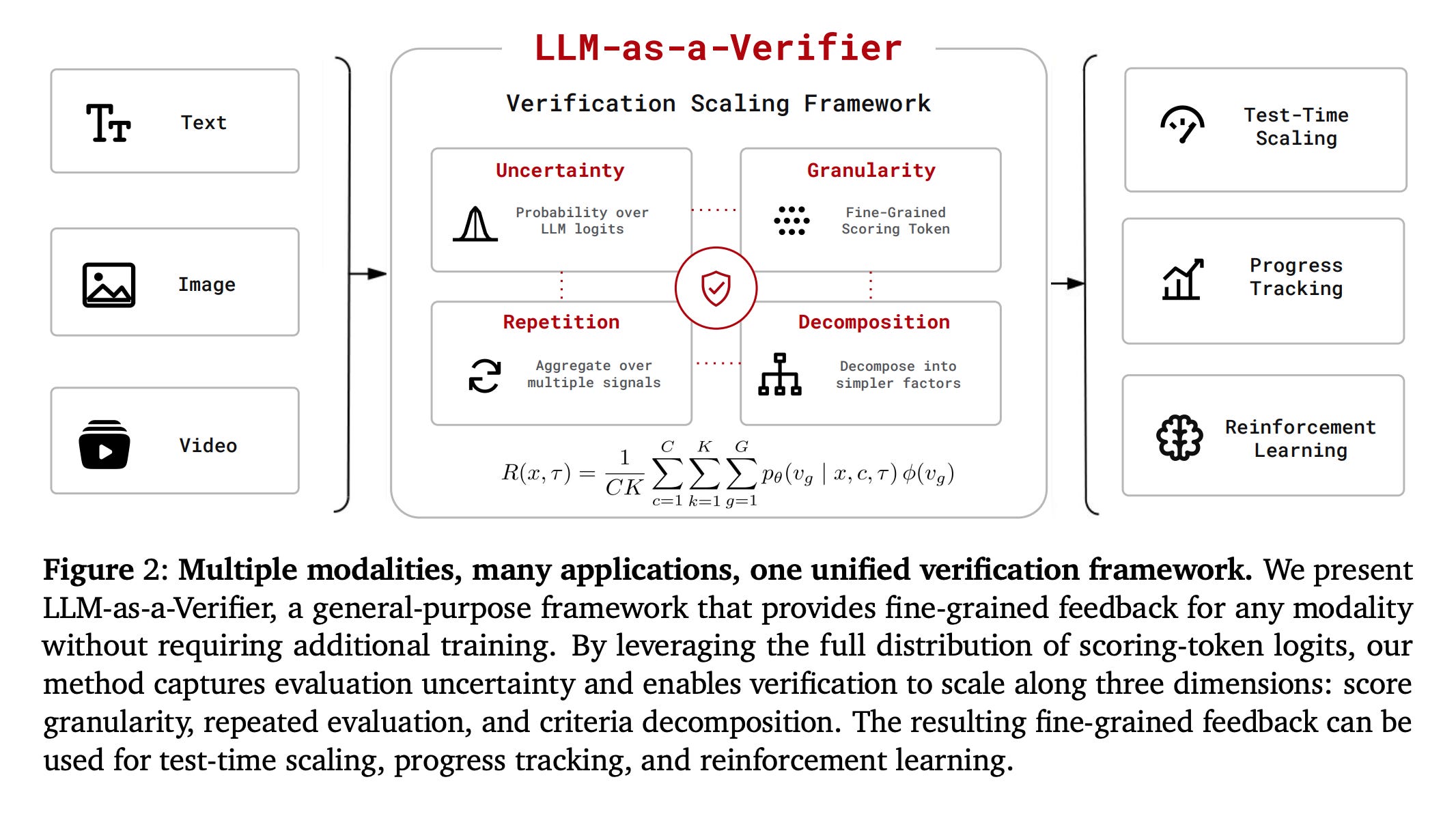
This research paper introduces LLM-as-a-Verifier, a general-purpose verification framework that provides fine-grained feedback for agentic tasks without requiring additional training.
Unlike standard LM judges, which are LLMs prompted to produce discrete scores for candidate solutions, LLM-as-a-Verifier computes the expectation over the distribution of scoring token logits to produce continuous scores.
This probabilistic approach reduces tie rates when comparing complex solutions and enables verification across multiple dimensions:
Granularity of score tokens
Number of repeated evaluations
Decomposition of evaluation criteria
To make verification scaling practical, the researchers further introduce a cost-efficient ranking algorithm to select the best solution among candidates, using preference probabilities derived from the verifier’s continuous scores.
LLM-as-a-Verifier achieves SOTA performance on Terminal-Bench V2 (86.5%), SWE-Bench Verified (78.2%), RoboRewardBench (87.4%), and MedAgentBench (73.3%).
Beyond verification, it can also act as a proxy for estimating task progress and as a dense reward signal for RL, making training more sample-efficient.
Read more about the research paper using this link.
3. Mixture-of-Parallelisms
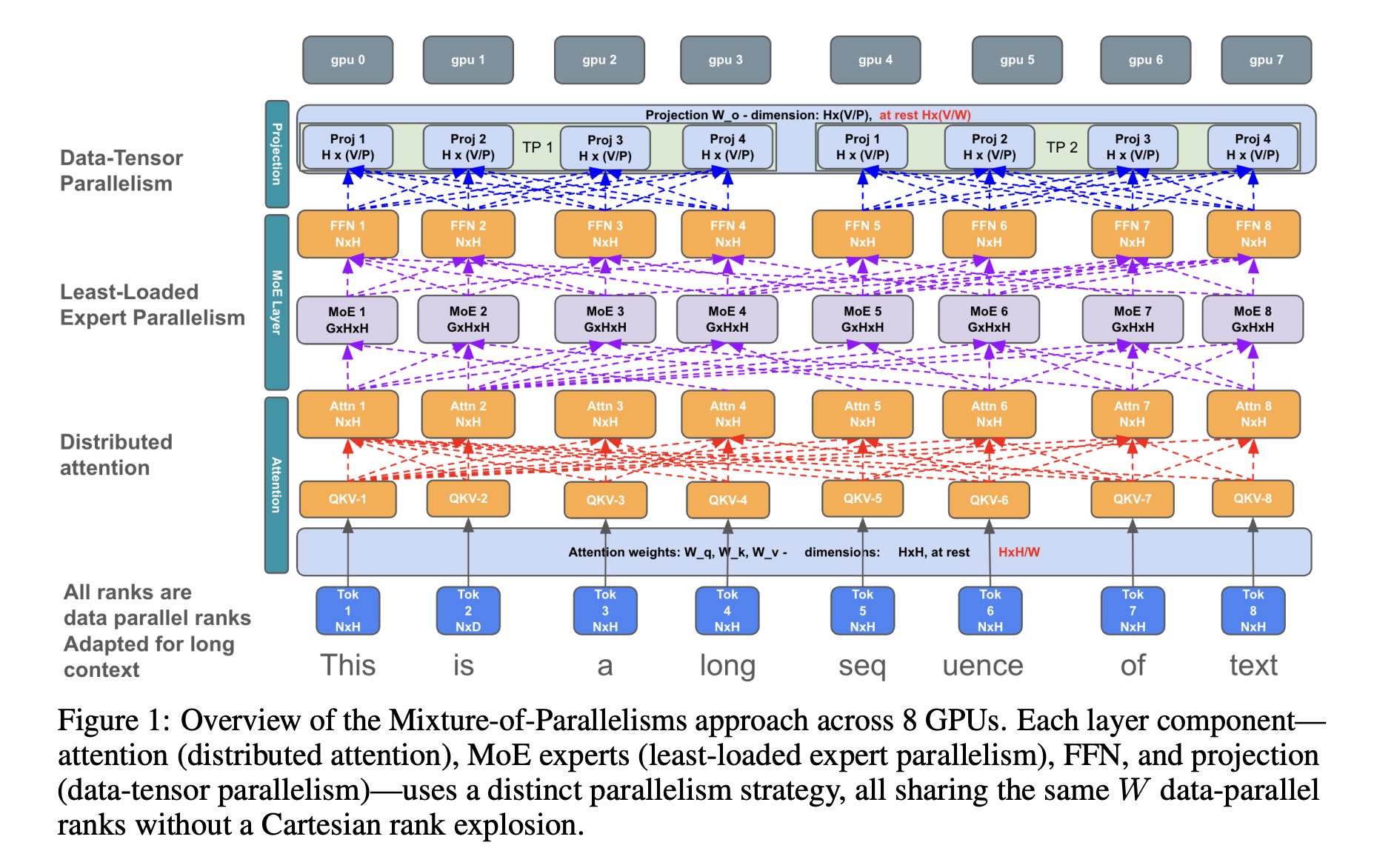
This research paper proposes a memory-efficient training stack called Mixture-of-Parallelisms (MoP) for Mixture-of-Experts (MoE) models.
It uses multiple parallelism techniques across the training pipeline to maximize efficiency under the cluster constraints, including a new strategy for the optimizer step.
MoP achieves high throughput and memory efficiency, enabling lossless pre-training/fine-tuning of trillion-parameter-scale models at a million-context length using just under 12 8x H200 GPU nodes.
It delivers 4.7-8.2× higher per-GPU throughput than a strongly-tuned FSDP2 baseline and sustains training at context lengths up to 1M tokens, whereas the baseline runs out of memory beyond 64–128K context length.
Read more about this research paper using this link.
4. Measuring the Gap Between Human and LLM Research Ideas
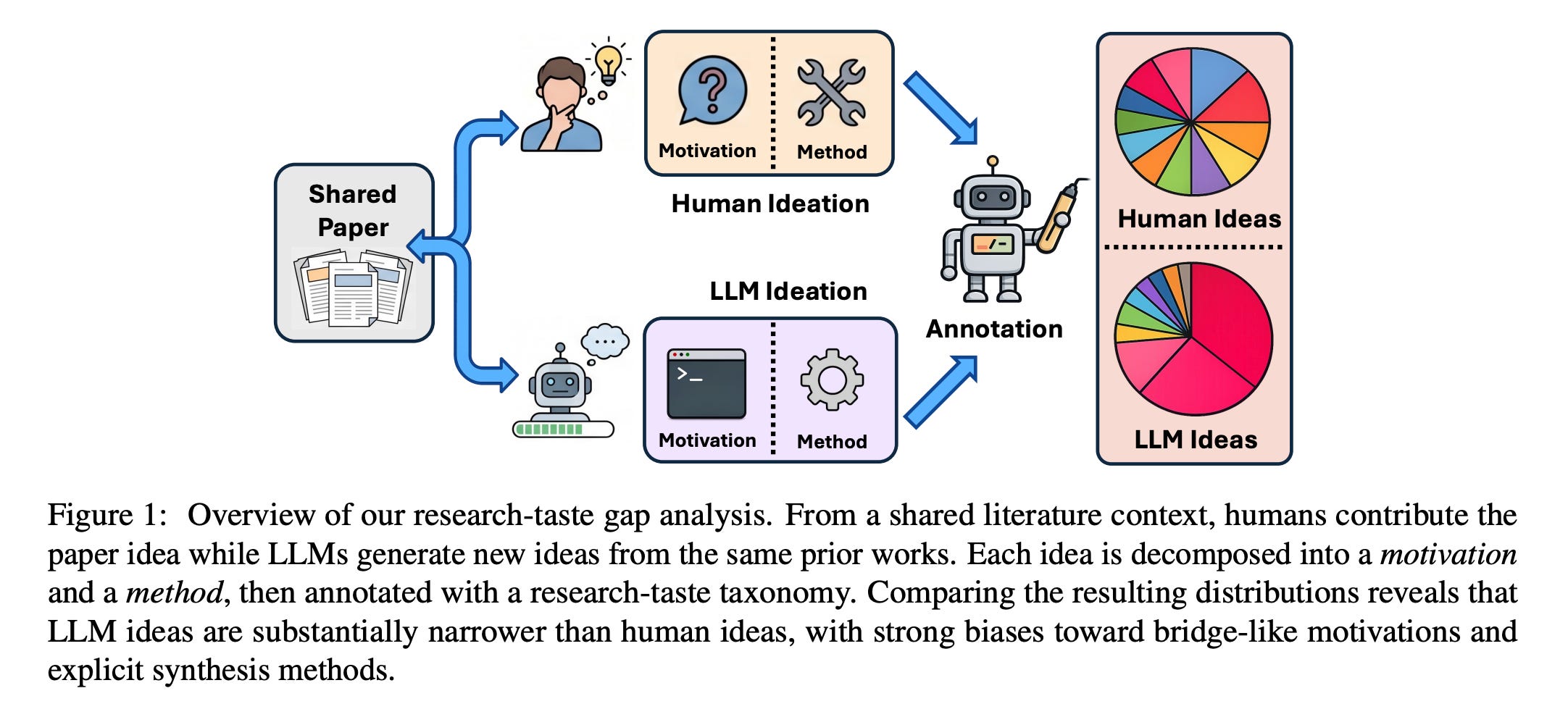
This research paper examines how LLM-generated research ideas differ from those of human researchers.
Studying thousands of published papers and prompting models from families including GPT, Claude, Gemini, DeepSeek, and Qwen to generate ideas from the same prior-work context, the authors find that:
LLM ideas are disproportionately concentrated around connecting existing fields or synthesizing existing methods
Human ideas cover a wider range of motivations and contributions, which include identifying failures, explaining contradictions, relaxing assumptions, and developing new systems
This suggests that strong LLMs can produce a range of reasonable ideas, but that range remains narrower than, and systematically shifted relative to, human research taste.
Read more about this research using this link.
5. Infinite Worlds with Versatile Interactions
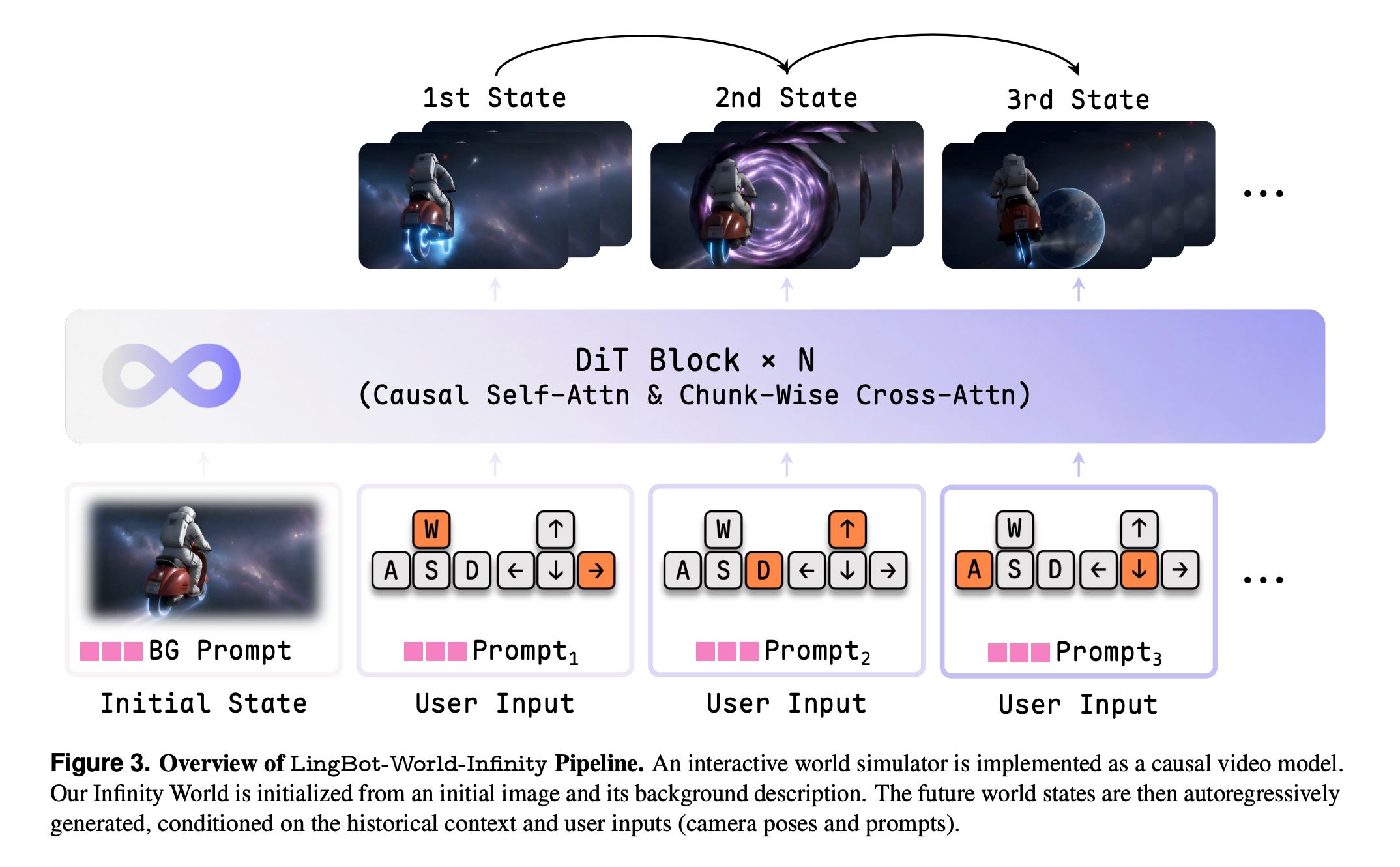
This research paper presents LingBot-World 2.0 (LingBot-World-Infinity), a model that generates responsive, open-ended, infinite virtual environments for exploration.
Compared to the earlier version, this model maintains consistent output quality, supports up to 720p at 60 fps, and generates highly diverse interactive elements that enable broader actions (e.g., attacking, archery, spell-casting, and shooting) and a variety of text-driven events.
Additionally, the model is integrated with an agentic harness with two autonomous agents:
a pilot agent that plans and runs character behavior, and
a director agent that creates new environmental elements as the scene progresses.
The model is available in 14B and 1.3B versions, with the 1.3 B version capable of running on a single GPU.
Read more about this research using this link.
6. AutoMem: Automated Learning of Memory as a Cognitive Skill
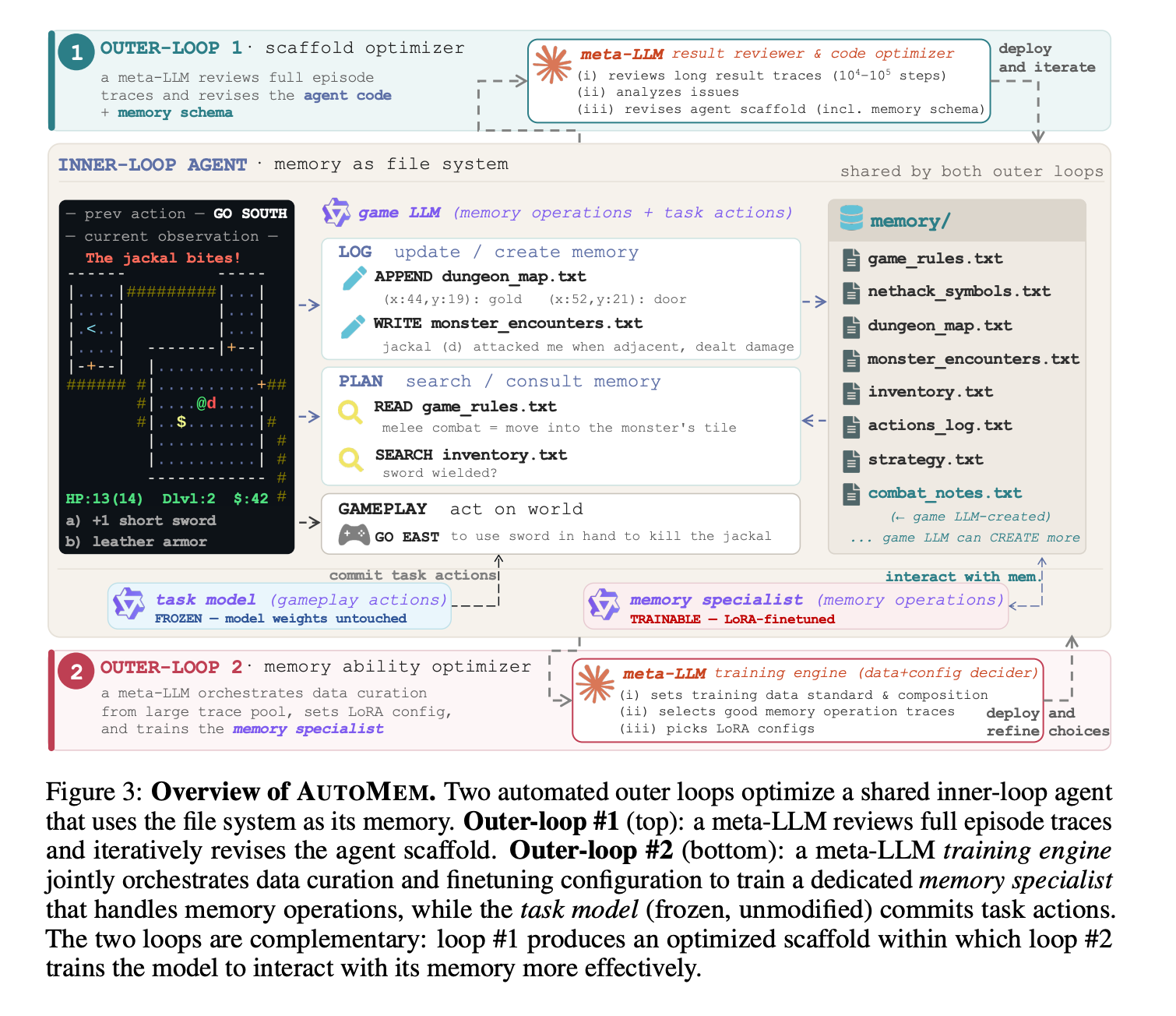
This research paper introduces AutoMem, a framework that reframes LLM memory management as a trainable skill rather than a fixed system.
An LLM agent using it gets file-system operations (read, write, search, append) as first-class actions, allowing it to decide what to remember and retrieve.
A strong LLM then improves this automatically by reviewing long episode traces to revise the agent's memory scaffold, and fine-tuning a dedicated memory model on the agent's own good decisions.
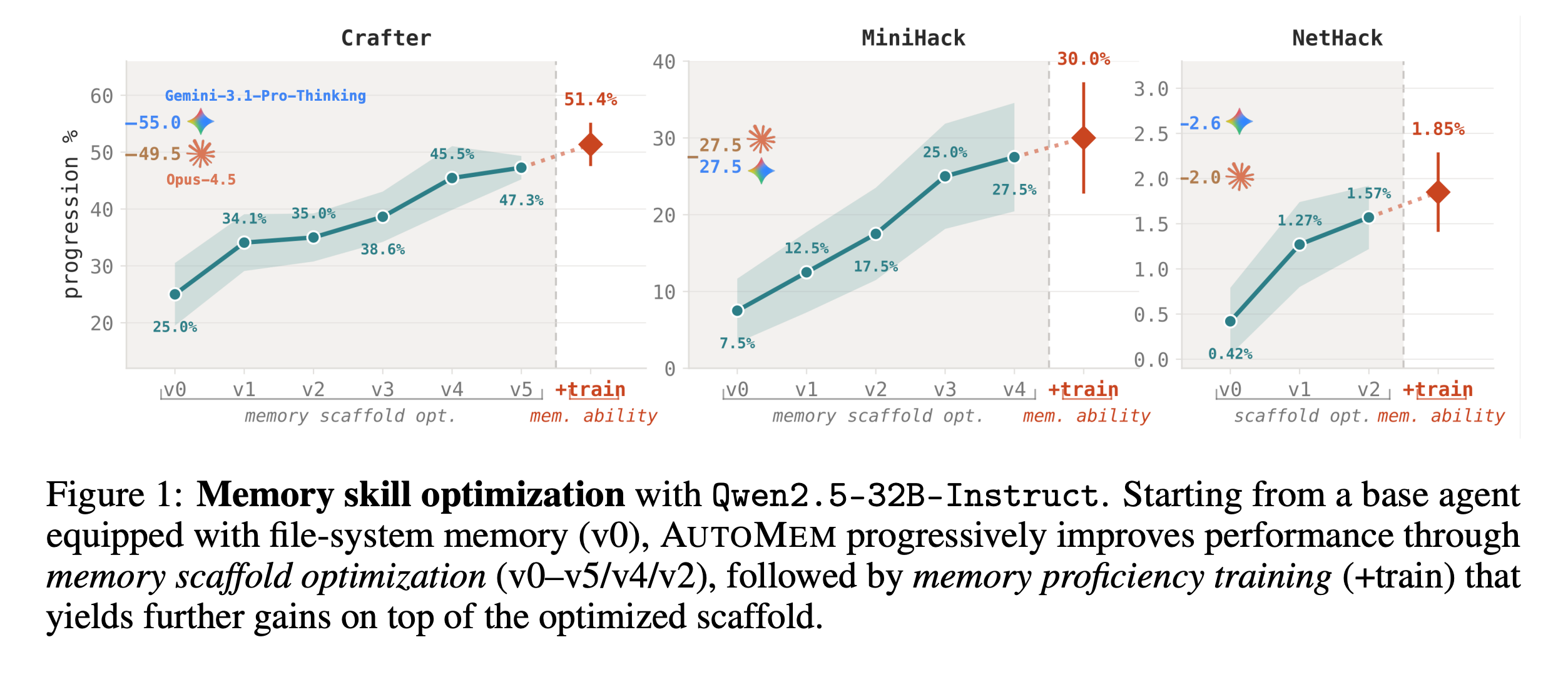
Across three procedurally generated long-horizon games (Crafter, MiniHack, and NetHack), optimizing memory alone (without modifying the model’s task-action behavior) improves the base agent’s performance by 2-4×, bringing a 32B open-weight model to a level competitive with frontier systems such as Claude Opus 4.5 and Gemini 3.1 Pro Thinking.
Read more about this research using this link.
7. GPT‑Live
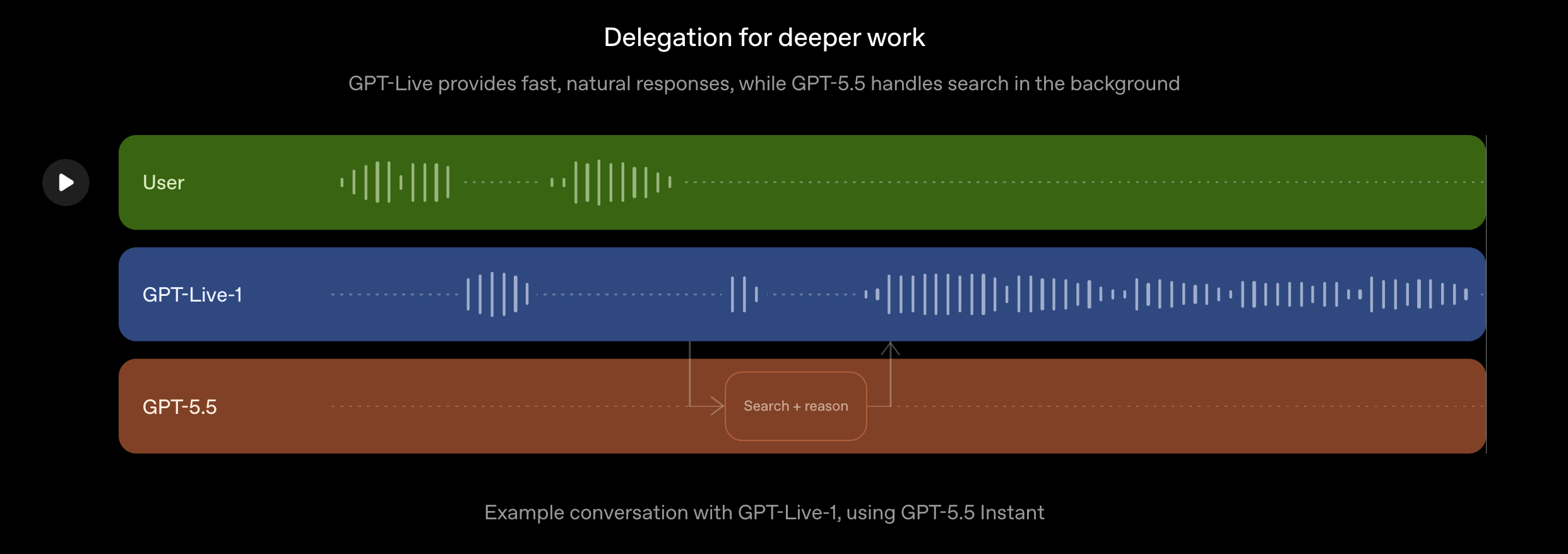
OpenAI launched its new generation of voice models called GPT-Live for natural real-time human-AI interaction, with its two versions being GPT‑Live‑1 and GPT‑Live‑1 mini.
GPT‑Live is built on a full-duplex architecture, which means that meaning it can listen and speak at the same time, acknowledge you while you talk, pause when you need time, handle interruptions more naturally, and delegate harder tasks like search or reasoning to frontier models such as GPT-5.5 in the background.
Read more about this release using this link.
8. Grok 4.5
SpaceXAI released its new flagship model called Grok 4.5. This model is built for coding, agentic tasks, and knowledge work, with a big focus on software engineering and efficient reasoning.
Grok 4.5 was trained on tens of thousands of NVIDIA GB300 GPUs using large-scale reinforcement learning, with a focus on per-token intelligence.
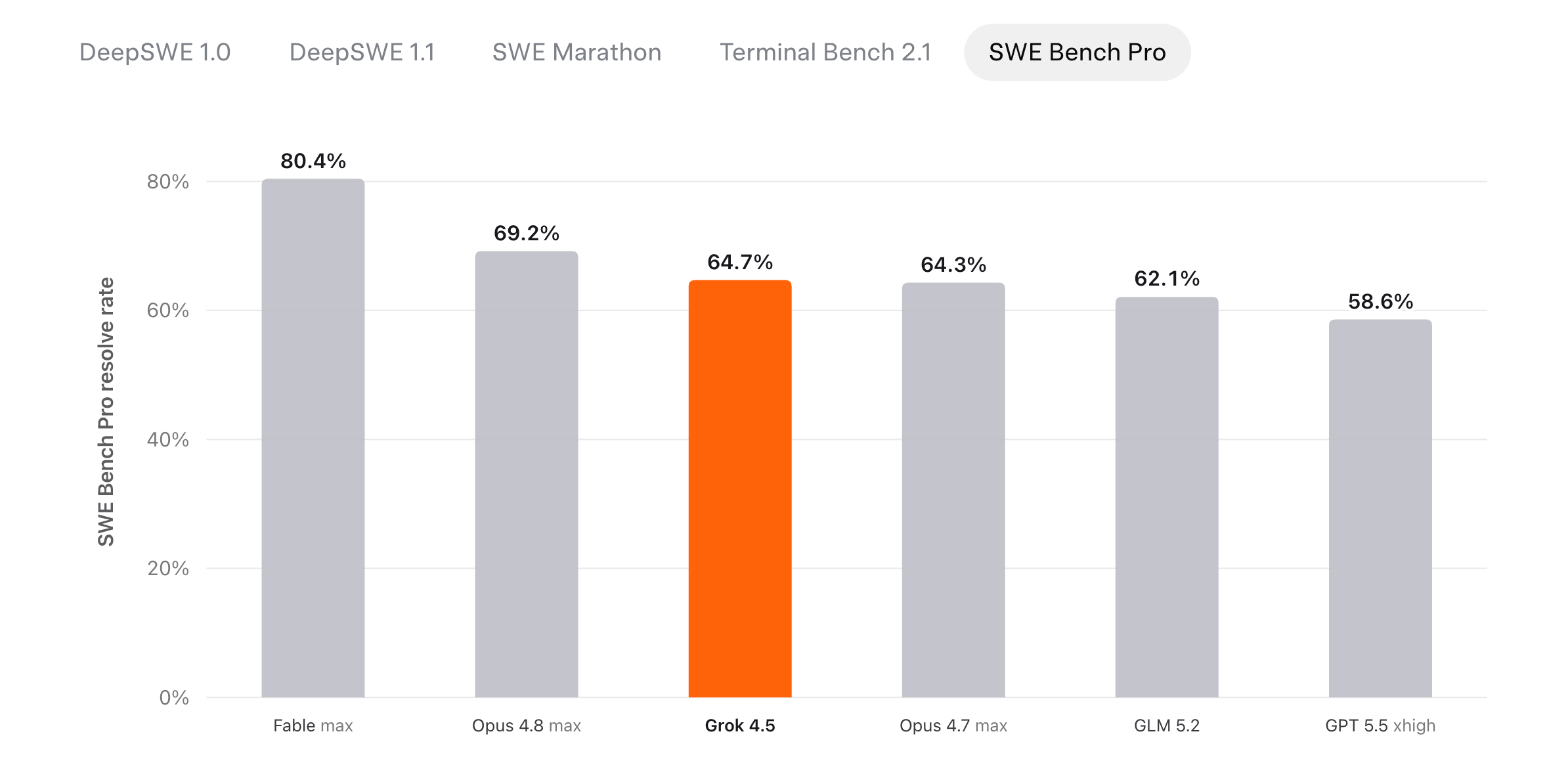
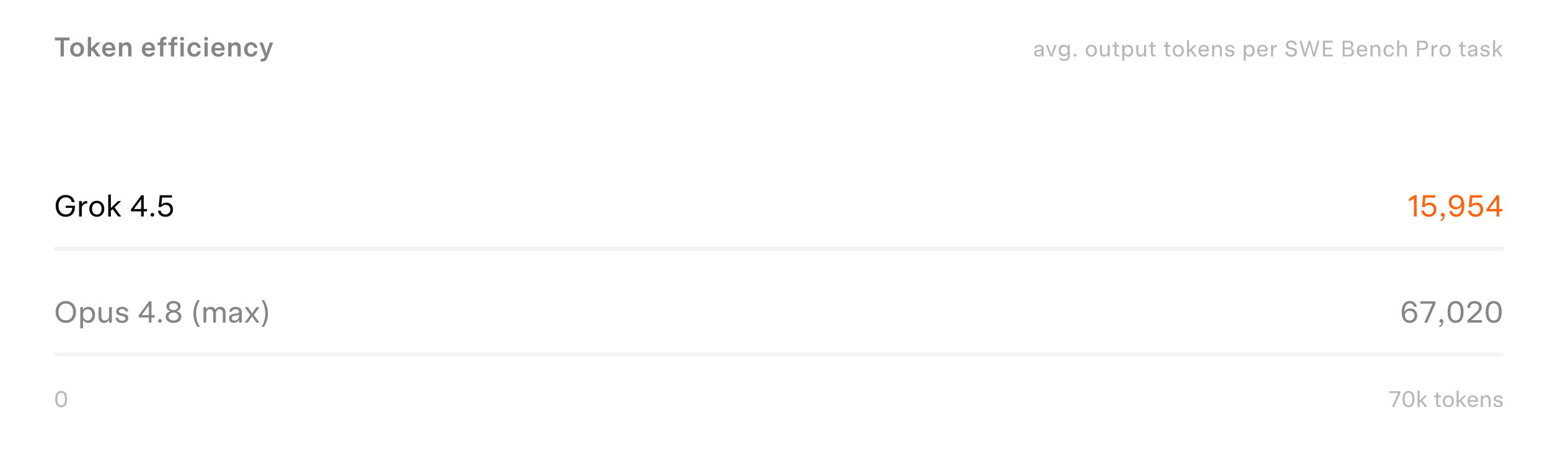
It reaches 83.3% on Terminal Bench 2.1, resolves SWE-Bench Pro tasks with ~4.2× fewer output tokens than Opus 4.8 (max).
The model is served at about 80 tokens per second generation speed and is priced at $2 per million input tokens and $6 per million output tokens.
Read more about this release using this link.
9. SWE-1.7
SWE-1.7 is Cognition’s most capable software-engineering model to date. It is designed for long-horizon, asynchronous coding tasks and is built by RL post-training a Kimi K2.7 base model.
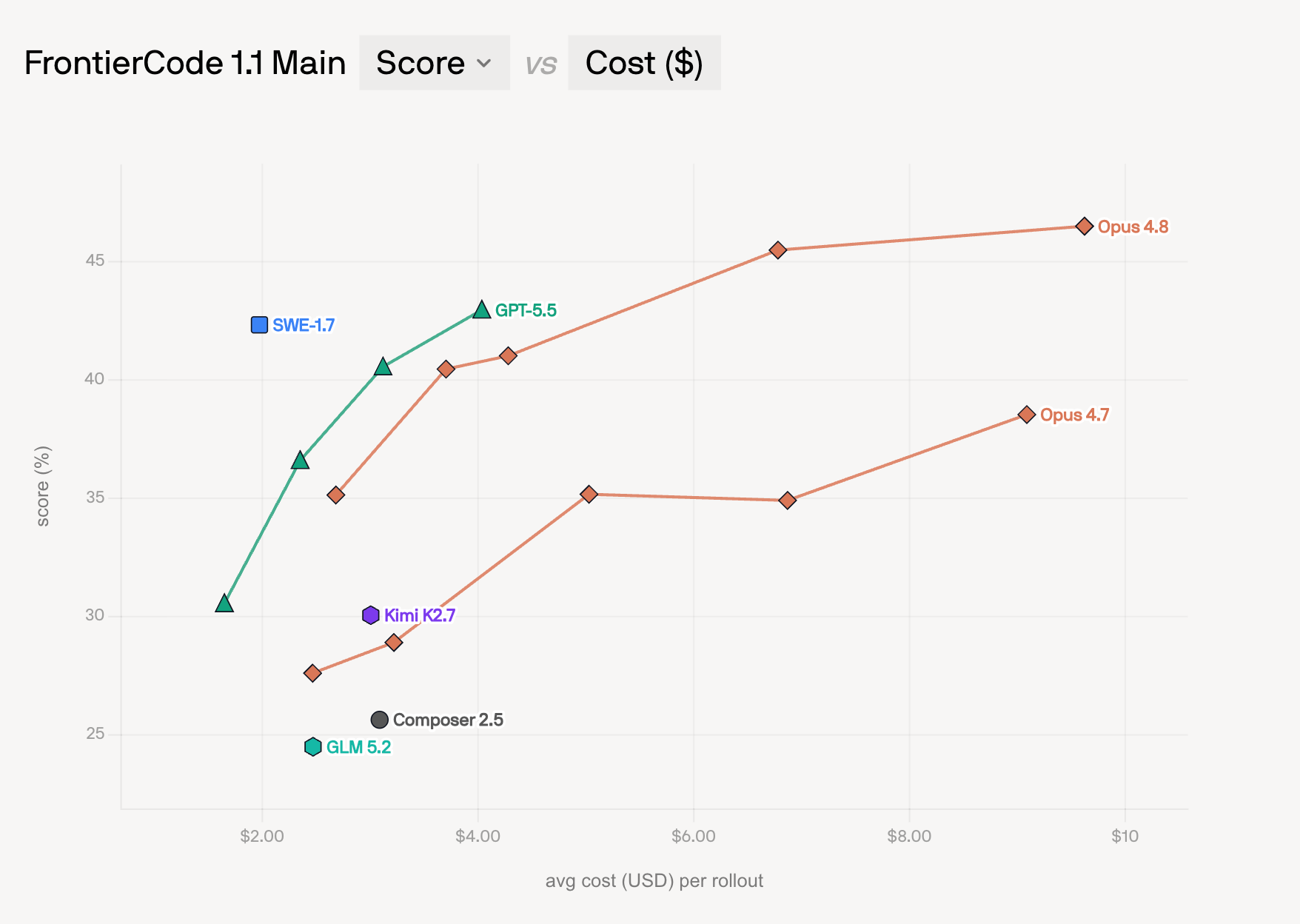
It scores 42.3% on FrontierCode 1.1, 81.5% on Terminal-Bench 2.1, and 77.8% on SWE-Bench Multilingual, bringing it close to frontier models like GPT-5.5 and Claude Opus, while achieving better cost efficiency.
Read more about this release using this link.
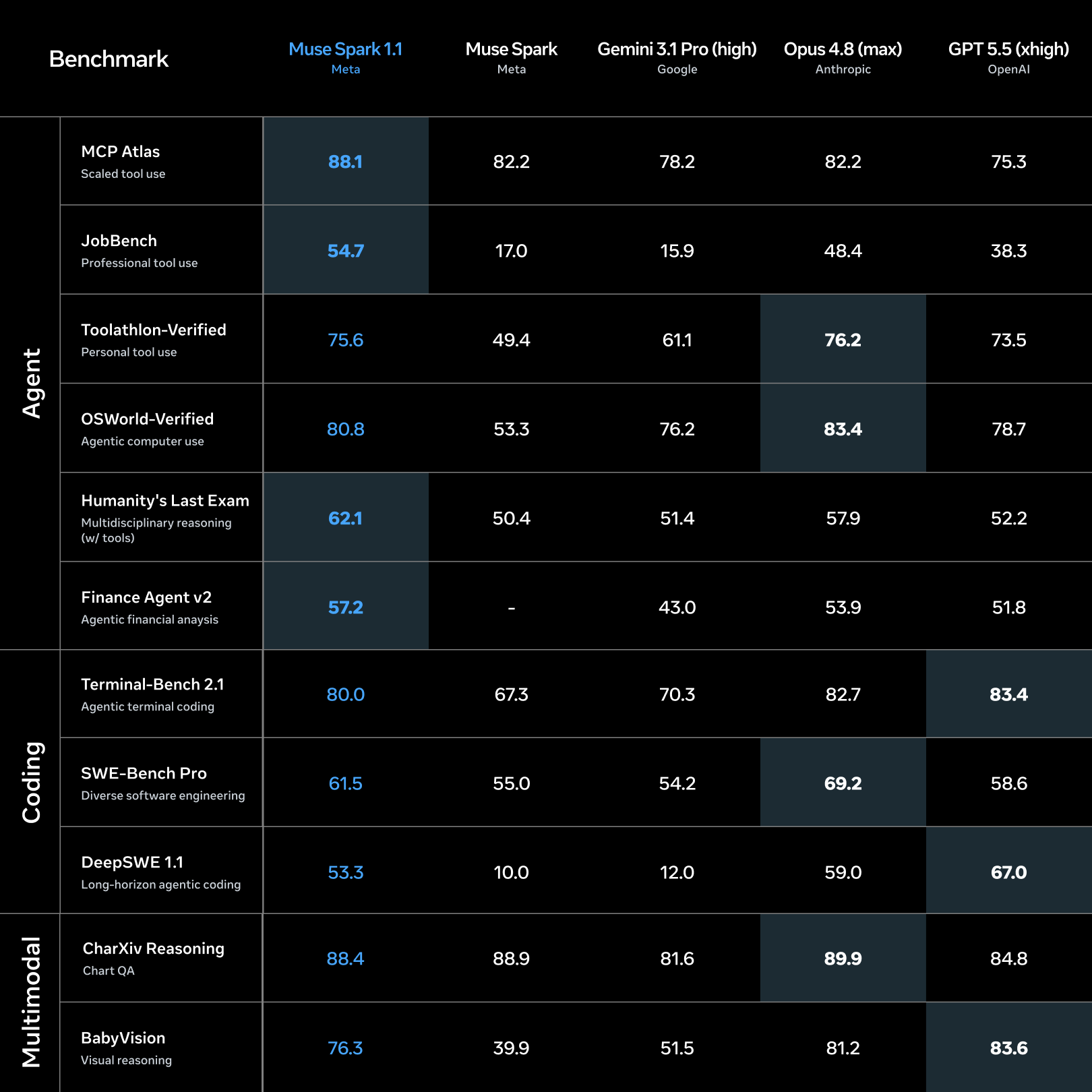
10. Muse Spark 1.1
Muse Spark 1.1 is a multimodal reasoning model from Meta Superintelligence Labs built for exceptional performance in agentic workflows, tool and computer use, coding, and multimodal understanding.
The model can orchestrate parallel subagents, has a 1-million-token context window, and outperforms Gemini 3.1 Pro (high), Opus 4.8 (max), and GPT 5.5(xhigh) on multiple difficult benchmarks.
Read more about this release using this link.
Join the paid tier today to get support my writing and get access to all posts in this newsletter.
This newsletter edition is completely free to read. Show your love by liking it, restacking it, and sharing it with others! ❤️